

Click to get a discount on OSHA training programs. Expires Soon!
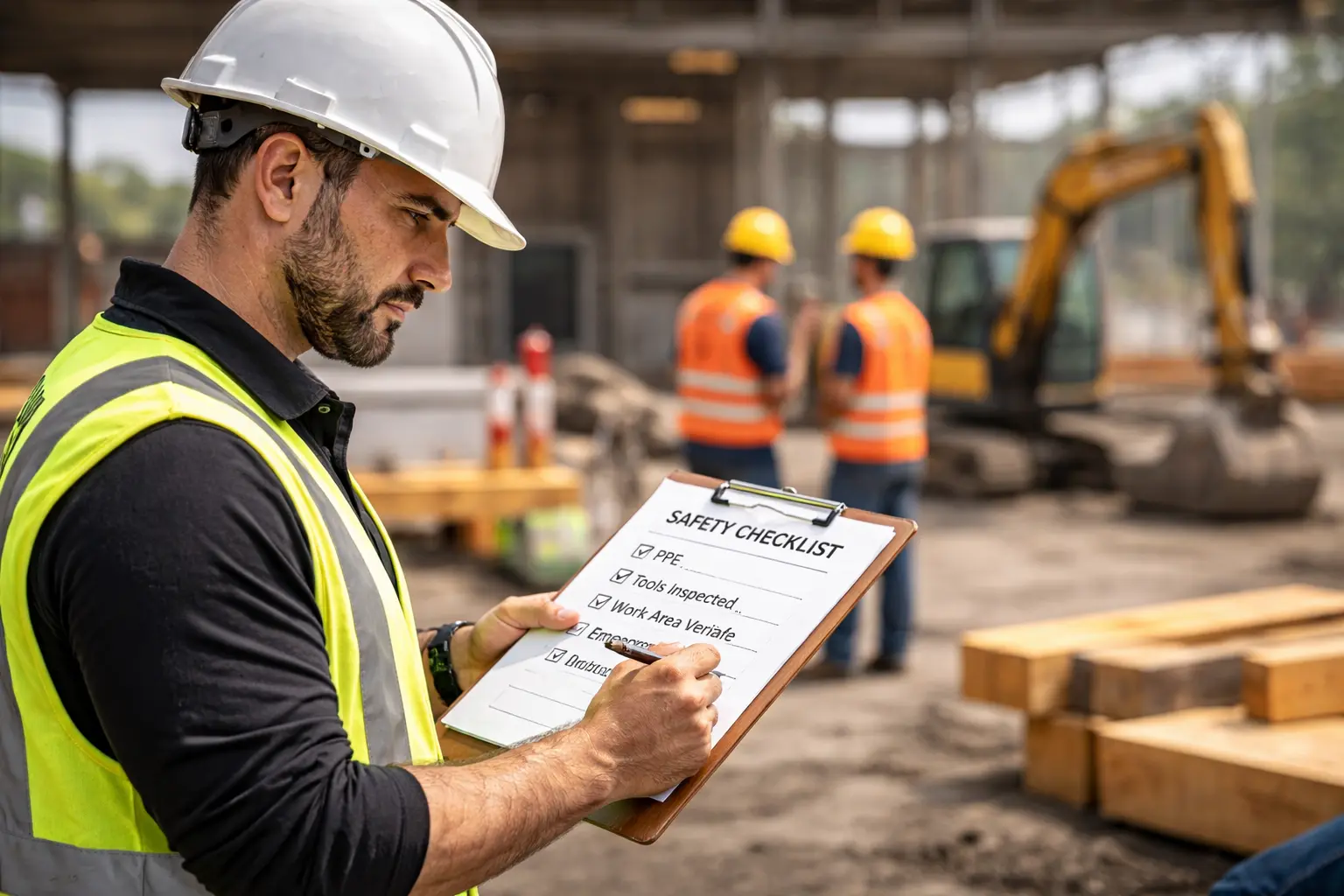
Safety officer conducting workplace audit inspection with checklist

Complete Safety Audits in 6 Simple Steps

Workplace safety is a critical priority for modern organizations across all industries. Employers are responsible for providing safe working environments and ensuring that employees follow proper safety procedures. To achieve this, businesses must regularly evaluate their safety practices and identify potential risks before they lead to accidents or injuries. Structured evaluations allow organizations to examine their safety systems, uncover weaknesses, and improve overall workplace protection. One of the most effective tools used for this purpose is safety audits. These evaluations review workplace policies, operational procedures, and physical conditions to ensure that safety standards are being maintained. By systematically examining safety practices, organizations can identify hazards and address problems early. This blog outlines all about what safety audits are, how they work, and how organizations can perform them effectively to strengthen workplace safety. What Are Safety Audits? Safety audits are systematic evaluations used to assess how well an organization manages workplace safety. They involve reviewing safety policies, procedures, and operational practices to determine whether they meet established safety standards and regulatory requirements. During an audit, trained personnel examine documentation, observe workplace activities, and identify potential hazards that may put employees at risk. These evaluations may include reviewing safety training records, equipment maintenance logs, emergency procedures, and compliance with workplace regulations. The goal of safety audits is not only to identify existing hazards but also to evaluate whether safety programs are working effectively. By regularly conducting audits, organizations can detect gaps in their safety systems, correct unsafe conditions, and continuously improve their workplace safety performance while reducing the likelihood of accidents. Safety Audits vs. Safety Inspections Although the terms are often used interchangeably, safety audits and inspections serve different purposes in workplace safety management. Safety inspections usually focus on identifying immediate hazards within a specific area or piece of equipment. For example, a supervisor might inspect a worksite to check for blocked exits, damaged machinery, or missing personal protective equipment. These inspections are typically quick and focused on correcting visible safety issues. Safety audits, on the other hand, take a broader and more detailed approach. They evaluate the entire safety management system, including policies, training programs, documentation, and overall compliance with safety regulations. While inspections focus on identifying current hazards, audits examine how effectively an organization manages safety processes and whether improvements are needed to strengthen workplace protection. Why Safety Audits Are Important Safety audits play a crucial role in maintaining safe and compliant workplaces. They help organizations identify potential hazards before they result in injuries, equipment damage, or operational disruptions. By examining workplace practices, procedures, and documentation, audits allow employers to detect risks that might otherwise go unnoticed during routine operations. Another key benefit of safety audits is improving compliance with workplace safety regulations. Organizations must follow established safety standards, and regular audits help ensure that policies and procedures meet these requirements. In addition, audits help prevent accidents by identifying unsafe practices and correcting them early. Safety audits also strengthen existing safety programs by highlighting areas that require improvement. When companies regularly evaluate their safety performance, they can update training, policies, and procedures to better protect employees. Conducting audits also demonstrates a strong commitment to worker safety, showing employees that management actively prioritizes a safe working environment. Types of Safety Audits Organizations may conduct different types of safety audits depending on their safety goals and operational needs. Each type focuses on a specific aspect of workplace safety management. Compliance Audits: These audits evaluate whether the organization follows applicable safety laws, regulations, and industry standards. Program Audits: These reviews focus on specific safety programs, such as employee training, hazard communication, or emergency preparedness. Management System Audits: These audits assess the effectiveness of the overall safety management framework, including policies, procedures, and leadership involvement. Behavioral Audits: These evaluations examine employee behaviors and work practices to determine whether workers are consistently following safety procedures. Steps to Perform a Safety Audit Conducting a safety audit requires a structured process to ensure that all aspects of workplace safety are properly evaluated. Following a clear set of steps helps organizations identify hazards, review safety procedures, and improve overall safety performance. Planning the Audit The first step is defining the audit’s scope, objectives, and schedule. This helps determine which departments, processes, or areas will be evaluated during the audit. Reviewing Documentation Auditors examine important records such as safety policies, training documents, maintenance logs, and incident reports to ensure procedures are properly documented. Conducting Workplace Observations The next step involves inspecting equipment, work areas, and employee practices to identify potential hazards or unsafe conditions. Interviewing Employees Employees may be interviewed to understand how safety procedures are followed in daily operations and to gather feedback on existing safety practices. Identifying Hazards and Gaps Auditors document risks, weaknesses, or areas where safety procedures are not being followed. Reporting Findings Finally, auditors prepare a detailed report outlining observations, identified hazards, and recommendations for improvement. Creating an Effective Safety Audit Checklist A safety audit checklist is an important tool that helps auditors conduct thorough and organized evaluations of workplace safety. Checklists provide a structured format that ensures every critical aspect of safety is reviewed during the audit process. Without a checklist, auditors may overlook important details or inconsistently evaluate different areas of the workplace. By using a standardized checklist, organizations can ensure that audits remain consistent and comprehensive across departments and worksites. These checklists typically include several key categories that guide auditors in assessing workplace safety conditions and procedures. Such as: Workplace hazards Equipment safety Emergency procedures PPE usage Training records Documentation and compliance Common Challenges During Safety Audits Conducting workplace audits can sometimes present challenges that may affect the accuracy or effectiveness of the evaluation. Organizations must ensure that audits are carefully planned and properly executed to produce meaningful results. When certain issues arise during the auditing process, they can limit the ability of auditors to fully identify safety risks or weaknesses in safety programs. Some of the common challenges include: Incomplete documentation Lack of employee cooperation Time constraints Poorly defined

Read More
Construction worker making safety decision on job site while reviewing checklist

Cognitive Biases Make Workplaces Unsafe: Here’s What You Can Do

Many workplace accidents happen even when safety rules, procedures, and training programs are firmly in place. This often raises a difficult question: why do capable, experienced workers still make unsafe choices? The answer lies not in a lack of knowledge, but in how the human brain processes information under pressure. Time constraints, fatigue, routine tasks, and confidence built through experience can all influence decision-making in subtle ways. These mental shortcuts, known as cognitive biases, act as hidden risk factors that quietly shape how hazards are perceived and managed. This blog explores the most common cognitive biases affecting workplace safety, how they increase risk, and what organizations can do to reduce their impact and create safer work environments. What Are Cognitive Biases? Cognitive biases are predictable thinking patterns that cause people to make decisions based on mental shortcuts rather than careful analysis. The brain relies on these shortcuts to process information quickly, especially when time or attention is limited. In everyday life, this helps people function efficiently, make fast choices, and avoid mental overload. However, in work environments where hazards are present, these shortcuts can become dangerous. Instead of fully assessing risks, workers may rely on assumptions, experience, or incomplete information. In safety-critical industries such as construction, manufacturing, healthcare, and logistics, even small judgment errors can lead to serious injuries or system failures. Why this matters: Understanding cognitive biases is essential because they influence how workers perceive danger, follow procedures, and respond to changing conditions on the job. Why Cognitive Biases Increase Workplace Risk Cognitive biases directly affect judgment, hazard recognition, and risk perception. When biased thinking is present, hazards may be underestimated, warning signs ignored, or unsafe conditions accepted as normal. This is especially concerning in the context of cognitive bias safety in decision-making, where fast choices can override safer alternatives. Pressure to meet deadlines, physical fatigue, repetitive tasks, and long shifts all amplify biased thinking, pushing workers into “autopilot mode.” Experience does not eliminate this risk. In fact, seasoned employees may rely too heavily on routine and past success, increasing overconfidence. As a result, biases quietly weaken safety defenses, making incidents more likely even in workplaces with established rules and procedures. Key Insight: Even experienced workers can make unsafe decisions when fatigue, routine work, and time pressure influence their thinking. Common Safety Biases That Lead to Accidents Many workplace incidents are not random. They often follow predictable patterns of thinking that influence how people assess risk and make decisions. These mental habits develop over time and can quietly weaken safety practices, even in organizations with clear rules. Understanding these biases helps explain why unsafe acts continue to occur and provides insight into preventing repeat incidents. Below are common safety bias examples in the workplace that frequently contribute to accidents. Normalization of Deviance When unsafe behaviors do not immediately cause harm, they slowly become accepted as normal. Over time, shortcuts replace proper procedures. Overconfidence Bias Workers assume experience alone will keep them safe. Familiarity creates a false sense of control over hazards. Confirmation Bias People focus only on information that supports their assumptions. Warning signs that suggest danger are dismissed or overlooked. Optimism Bias Individuals believe accidents are unlikely to happen to them. This leads to underestimating personal risk exposure. Authority Bias Workers follow instructions from supervisors or senior staff without questioning safety concerns, even when something feels wrong. How Biases Show Up in Daily Work Activities Cognitive biases commonly surface during routine tasks, inspections, and equipment operation. Repetitive work encourages “autopilot mode,” where workers rely on habit rather than active hazard assessment. This can lead to skipped inspections, improper PPE use, or unsafe shortcuts that feel efficient but increase risk. Equipment may be used without full checks because it “worked fine yesterday,” reinforcing biased assumptions. Near-misses are also frequently underreported, as workers downplay close calls or assume no action is needed since no injury occurred. Over time, these behaviors create blind spots in safety systems, allowing small risks to grow into serious incidents. The Hidden Cost of Ignoring Cognitive Biases Ignoring cognitive biases can quietly undermine workplace safety and lead to serious consequences over time. When biased thinking goes unchecked, injuries and near-misses become more frequent because hazards are underestimated or overlooked. This results in higher workers’ compensation claims, increased downtime, and lost productivity as incidents disrupt operations. A workplace that normalizes these outcomes often develops a weak safety culture, where employees hesitate to report hazards or close calls. Over the long term, this pattern exposes employers to reputational damage, regulatory scrutiny, and legal liability. Important Insight: What may begin as small judgment errors can eventually escalate into costly incidents that affect both people and business performance. How to Reduce the Impact of Cognitive Biases at Work Reducing the impact of cognitive biases requires deliberate changes to how safety decisions are made on the job. One effective strategy is slowing decision-making during high-risk tasks, allowing workers time to assess hazards instead of relying on instinct. Checklists and standardized procedures help remove assumptions and ensure critical steps are not skipped. Slow Down High-Risk Decisions Allow workers time to assess hazards instead of reacting automatically under pressure. Use Checklists Structured checklists prevent critical steps from being skipped during complex tasks. Peer-to-Peer Safety Checks Coworkers can often identify hazards that others overlook during routine work. Encourage Speaking Up Workers should feel safe reporting hazards and safety concerns without fear of penalties. Pre-Task Briefings Discuss potential hazards before starting work to increase team awareness and preparedness.   Organizations should promote a culture where speaking up about safety concerns is encouraged and supported, not penalized. Pre-task briefings and job hazard analyses further reinforce awareness by prompting teams to identify risks before work begins. Safety Strategy: Combining structured processes with open communication helps interrupt biased thinking and strengthens everyday safety behavior. The Role of Training and Leadership Training and leadership play a critical role in addressing cognitive biases in the workplace. Effective safety training goes beyond rules and procedures by helping workers understand how

Read More
EHS training improving workplace safety and reducing injuries

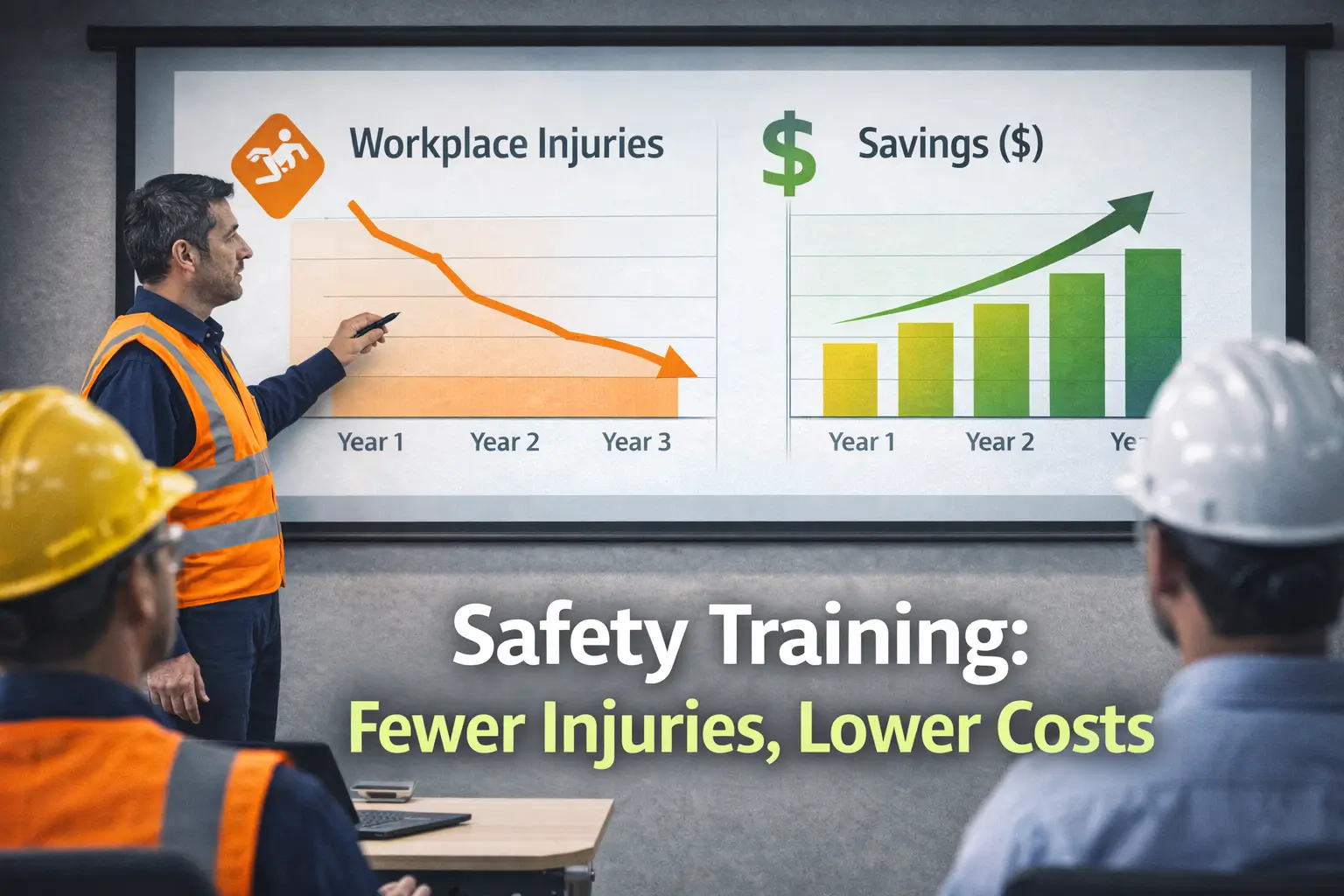
EHS Training ROI Cost Savings vs Injury Reduction

Investing in Environmental, Health, and Safety (EHS) training is more than a regulatory requirement; it is a strategic business decision. Well-trained employees are better equipped to recognize hazards, follow safe work practices, and prevent accidents. Beyond protecting workers, EHS training can lead to measurable cost savings by reducing workplace injuries, lost productivity, and insurance claims. Organizations that prioritize safety often see improvements in employee morale, retention, and operational efficiency. In this blog, you can explore how EHS training delivers a tangible return on investment (ROI), linking reduced incidents to financial benefits using real-world data and statistics. So, read on! The Business Case for EHS Training EHS training is a proactive strategy that helps organizations prevent workplace accidents before they occur. By educating employees on hazard recognition, safe practices, and emergency response, companies reduce the likelihood of incidents. Workplace injuries carry both direct costs, such as medical treatment and legal fees, and indirect costs, like lost productivity, employee replacement, and reputational damage. Implementing robust training programs also supports broader organizational risk management, demonstrating a commitment to safety and long-term operational stability. Measuring Cost Savings from EHS Training Effective EHS training can significantly reduce workers’ compensation claims, which directly lowers expenses for the organization. Companies may also benefit from reduced insurance premiums and fewer regulatory fines or penalties due to improved adherence to safety protocols. Additionally, preventing incidents decreases operational downtime, ensuring that projects and production schedules remain on track. These savings contribute to an overall positive return on investment, showing that investing in safety training is both financially and operationally beneficial. Injury Reduction and Safety Metrics EHS training has been shown to directly reduce workplace injuries. Organizations that implement consistent safety programs report lower Total Recordable Incident Rates (TRIR) and Lost Time Injury Rates (LTIR). Tracking near-misses also provides early indicators of potential hazards before they result in serious incidents. Case studies from OSHA and the National Safety Council (NSC) demonstrate that companies with regular EHS training experience measurable improvements in safety outcomes, including fewer lost workdays and reduced severity of injuries. ROI Analysis Methodology To measure the return on investment of EHS training, companies compare the total cost of training delivered, including instructor fees, materials, and employee time, against savings from fewer incidents and reduced claims. Different delivery methods, such as online modules, in-person workshops, or blended approaches, can impact cost and effectiveness. Intangible benefits, such as improved employee morale, stronger retention, and a pervasive culture of safety, should also be factored into ROI calculations, as they contribute to long-term organizational stability and productivity. Industry-Specific Examples Of EHS Training Here are some industry-specific examples of EHS training: Construction:  This high-risk environment benefits greatly from fall protection, hazard recognition, scaffolding, and ladder safety training. OSHA data show that falls remain one of the leading causes of fatalities in construction. Implementing comprehensive EHS training programs significantly reduces fall-related injuries, near misses, and equipment mishandling, improving overall jobsite safety. Supervisors trained in daily pre-task safety planning can better enforce protocols and anticipate hazards on complex multi-employer worksites. Manufacturing:  Employees operating heavy machinery, presses, and automated equipment face high injury risks. Training on machine guarding, lockout/tagout (LOTO) procedures, PPE use, and proper ergonomics minimizes crush injuries, amputations, and repetitive strain incidents. Studies show that factories with structured EHS programs experience fewer equipment-related accidents, reduced downtime, and lower workers’ compensation claims, translating directly into cost savings. Energy & Utilities:  Workers dealing with electrical systems, confined spaces, and hazardous materials are particularly vulnerable. Training programs that focus on electrical safety, confined space entry, fall prevention, and hazard communication have been shown to prevent severe injuries and fatalities. For example, utilities companies implementing comprehensive EHS training report fewer electrocutions, chemical exposure incidents, and permit violations, while maintaining regulatory adherence and operational efficiency. Best Practices to Maximize EHS Training ROI To maximize the impact of EHS training, organizations should conduct regular refresher courses to reinforce safety skills and keep employees up to date on evolving hazards. Targeted, role-specific training ensures that high-risk tasks receive the most attention, reducing the likelihood of incidents. Actively engaging workers during sessions, followed by assessments and monitoring, helps measure understanding and retention. Continuous reinforcement through on-site coaching and toolbox talks strengthens long-term safety behaviors and reduces gaps between training and real-world application. Leveraging Data to Make the Case Data-driven approaches help demonstrate the value of EHS training to management and stakeholders. Tracking incidents, near misses, and cost metrics allows companies to quantify reductions in injuries and associated expenses. Benchmarking performance against industry safety statistics highlights where improvements are being made and identifies areas needing attention. Collecting feedback from employees and measuring training effectiveness supports continuous improvement, ensuring training investments directly contribute to safer workplaces and tangible financial benefits. Long-Term Benefits Beyond Cost Savings Investing in EHS training goes beyond immediate financial returns by fostering a strong culture of safety within the organization. Employees become more engaged, accountable, and aware of potential hazards, which enhances morale and retention. Organizations benefit from a stronger reputation for safety, reducing legal exposure, and attracting quality talent. Over time, consistent safety practices and awareness create a self-reinforcing cycle, ensuring that the return on training investment continues well beyond initial cost savings and incident reduction. Wrap Up  EHS training is not just a regulatory requirement; it is a strategic investment that delivers measurable cost savings and tangible safety benefits. By reducing workplace injuries, minimizing operational downtime, and lowering insurance premiums, organizations can see a clear return on investment. Beyond the numbers, EHS training cultivates a culture of safety, accountability, and continuous improvement, which strengthens employee morale and retention. Companies that prioritize comprehensive, role-specific, and regularly updated training are better positioned to protect their workforce, optimize performance, and maintain a competitive edge in high-risk industries.

Read More
Unlock OSHA-Authorized Training Discount
Nearly There!

We have sent the email to your account. Please check your junk and spam folders.