How to Approach Workplace Safety with New Hires
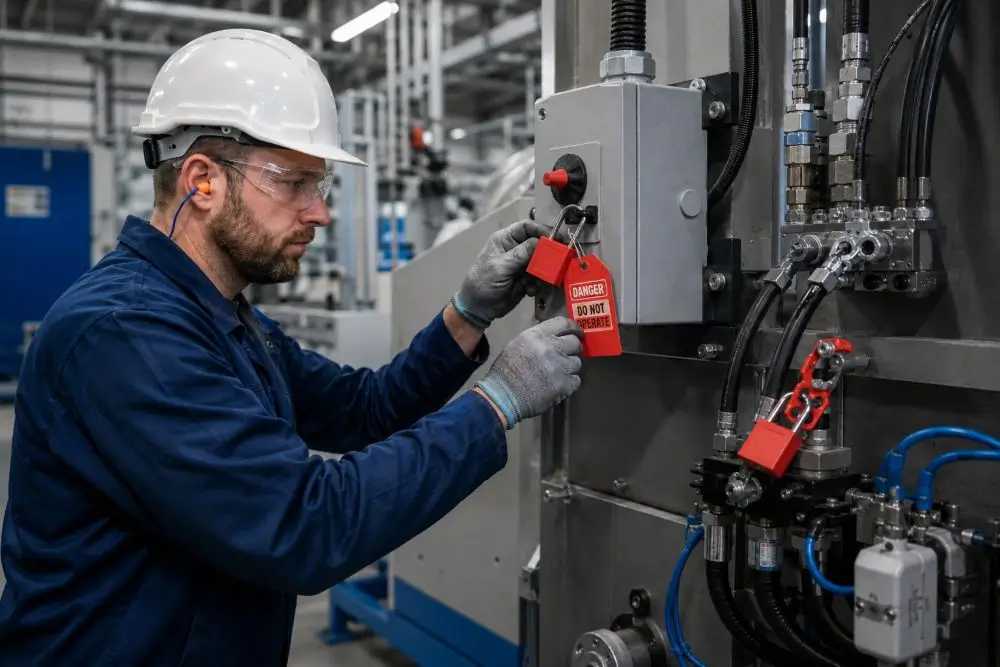
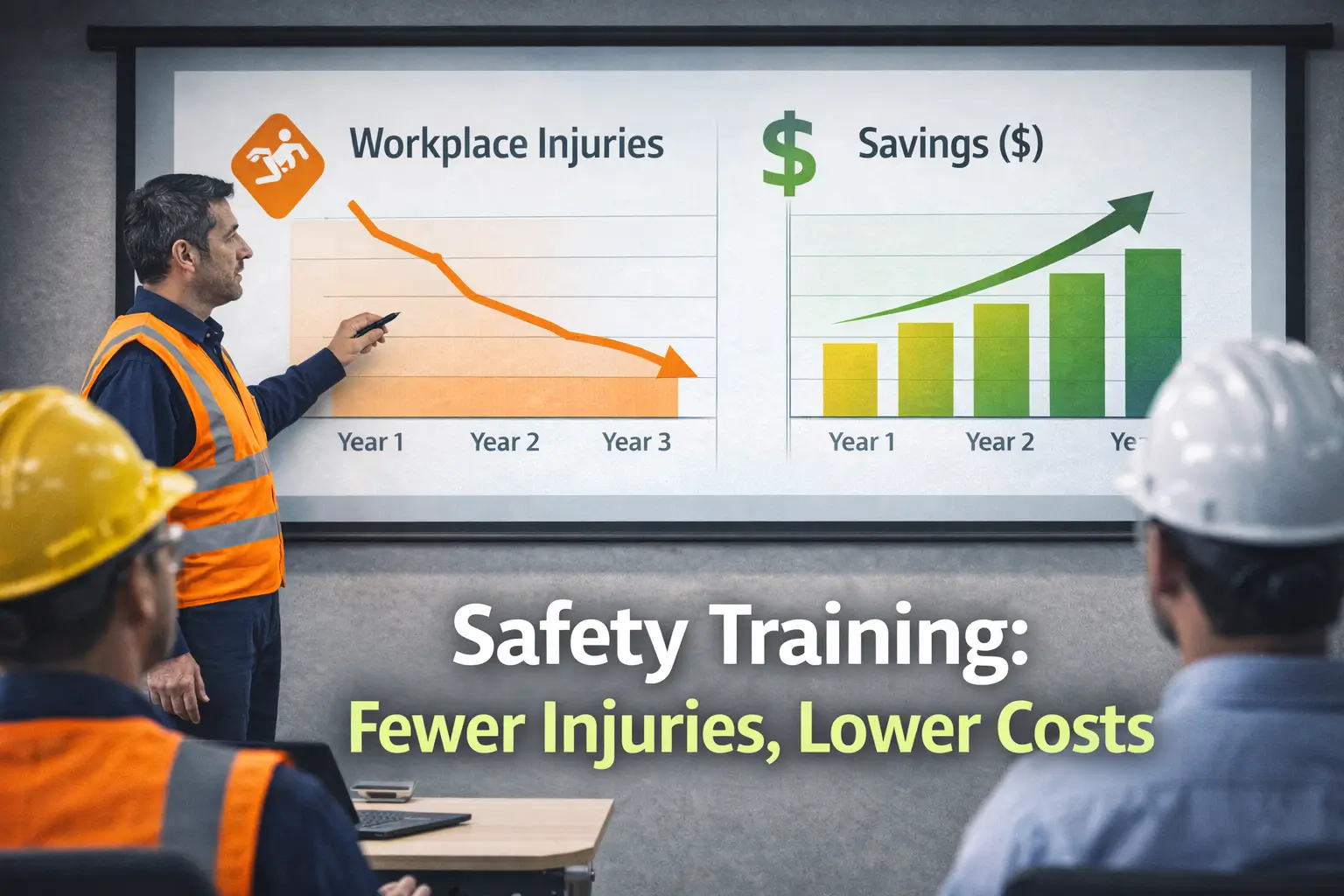
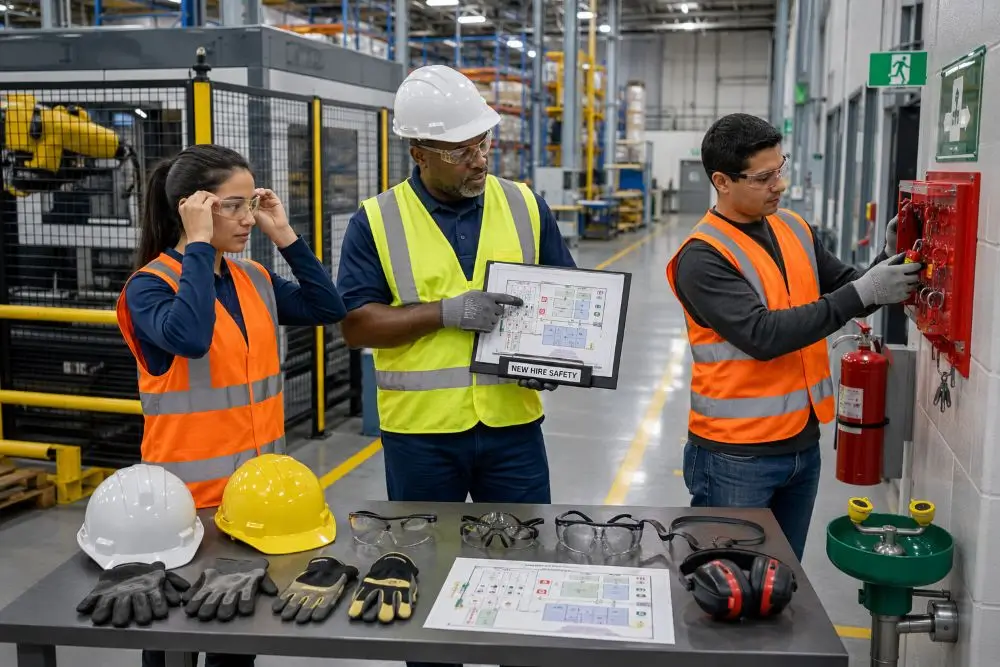
Starting a new job comes with more than learning responsibilities and meeting coworkers. New hires must also understand the hazards, equipment, procedures, and safety expectations of their workplace. Even experienced employees may face risks when they are unfamiliar with a new work environment or its specific processes. For employers, providing clear safety training from the beginning can help workers recognize hazards, follow proper procedures, and respond appropriately during emergencies. A structured approach to workplace safety with new hires should therefore begin before employees work independently and continue as they gain experience, ensuring they have the knowledge and confidence to perform their jobs safely. 01 Why New Hires Are More Vulnerable to Workplace Injuries New employees can face increased safety risks because they are still becoming familiar with the workplace, its equipment, procedures, and potential hazards. Even workers with years of experience may not immediately understand the specific risks associated with a new job or worksite. Unfamiliar equipment, different operating procedures, and unclear expectations can increase the likelihood of mistakes or unsafe decisions. Research summarized by the UK Health and Safety Executive (HSE) found that workplace injury risk was four times higher during a worker’s first month with a new employer compared with workers who had been with the employer for at least one year. This highlights why employers should not assume that experienced workers automatically understand their new workplace. Close supervision, clear instructions, and opportunities to ask questions during the early stages can help new hires develop safe working habits. 02 Provide Safety Training Before Work Begins Safety training should begin before a new hire performs tasks that could expose them to workplace hazards. Employees need to understand the rules and procedures that apply to their position before they are expected to work independently. Initial training should cover hazard recognition, personal protective equipment (PPE), equipment operation, emergency procedures, and how to report injuries, hazards, and unsafe conditions. A safety orientation can help introduce employees to workplace-specific expectations, including site rules, emergency routes, reporting procedures, and the hazards they may encounter during their daily duties. However, training should go beyond a general introduction. Employers should provide job-specific instruction based on the employee’s actual responsibilities, equipment, and work environment. Training records should also be maintained to document what instruction was provided, when it occurred, and who completed it. Proper documentation helps employers demonstrate that required training was provided and identify when refresher training may be necessary. 03 Introduce New Hires to Workplace Hazards Employers should identify the hazards new employees are likely to encounter before assigning them independent duties. Depending on the workplace, these may include physical, chemical, ergonomic, electrical, mechanical, and environmental hazards. New hires should not only learn about these risks in a classroom or handbook but also be shown where hazards exist in their actual work areas and how they can be controlled. OSHA’s 2024 data lists fall protection, hazard communication, lockout/tagout, ladders, respiratory protection, and powered industrial trucks among its most frequently cited standards. This highlights the importance of focusing training on hazards that are relevant to each workplace. Employers should tailor instruction to the employee’s specific industry, job duties, equipment, and work environment rather than relying on generic safety information. This approach helps new hires understand the risks they are most likely to encounter and the precautions expected of them. 04 Use Hands-On Training and Demonstrations A handbook or presentation can explain workplace rules, but new hires may not fully understand how to apply those instructions in real situations. Hands-on training allows employees to practice safe procedures while receiving immediate guidance from a supervisor or experienced worker. Employers should demonstrate proper equipment operation, PPE use, material handling, and other safety procedures relevant to the employee’s duties. Before allowing a new hire to work independently, supervisors should ask the employee to demonstrate what they have learned. This provides an opportunity to identify misunderstandings and correct unsafe techniques before they contribute to an incident. Pairing new employees with experienced workers can provide additional support during the early stages of employment. Recent research also supports active learning approaches as a way to improve safety motivation and preparedness among new and young workers, making practical instruction an important part of effective workplace training. 05 Supervise and Monitor New Employees Close supervision is especially important during a new hire’s first days and weeks because employees are still developing familiarity with their duties, equipment, and workplace procedures. Supervisors should regularly observe how new employees perform tasks and address unsafe practices immediately before they become habits. New hires should also have a clear way to ask questions or raise safety concerns without fear of criticism or embarrassment. As employees demonstrate competence and confidence, supervisors can gradually increase their responsibilities and reduce direct oversight. Safety should remain an ongoing conversation rather than a one-time training requirement. Scheduling follow-up discussions, brief safety check-ins, and performance reviews can help reinforce proper procedures, identify gaps in understanding, and ensure new employees continue working safely as their responsibilities grow. 06 Teach Emergency Procedures and Incident Reporting Every new hire should know what to do if an emergency occurs at work. Employers should explain the location of emergency exits, alarms, evacuation routes, first-aid resources, emergency contacts, and procedures for responding to different types of incidents. Employees should also understand how and where to report hazards, near misses, injuries, property damage, and unsafe working conditions. New hires should be encouraged to report safety concerns promptly and should never feel that raising an issue will result in criticism or negative treatment. Even a seemingly minor hazard can lead to a serious incident if it is overlooked. Effective reporting gives employers an opportunity to investigate problems, correct unsafe conditions, and improve workplace procedures before a more serious event occurs. Clear reporting procedures therefore help create a workplace where employees actively contribute to maintaining a safer environment. 07 Track Training and Continue Safety Education Employers should maintain accurate records of all safety training provided to new hires, including required courses, refresher training, certifications,
Read More