
Exclusive December Safety Opportunity: OSHA 30 $99 | OSHA 10 $45
days
hrs
mins
secs
EHSSchool online EHS training courses for 2025.

Best EHSSchool Courses To Complete in 2025

In today’s rapidly evolving workplaces, Environmental, Health, and Safety (EHS) expertise has become essential across industries. Professionals with strong EHS knowledge help organizations maintain safe work environments, comply with regulations, and reduce workplace incidents. Completing EHS courses and obtaining recognized certifications not only enhances career prospects but also demonstrates a commitment to safety and compliance.  EHSSchool offers a wide range of industry-recognized courses designed to equip learners with practical skills and knowledge. With flexible online learning options, accessible resources, and expert guidance, EHSSchool makes it easier than ever for employees and safety professionals to advance their careers while promoting safer workplaces. Top EHS Courses to Consider in 2025 For professionals looking to advance their careers and enhance workplace safety, completing the right EHS courses is crucial. These courses provide practical knowledge, regulatory insights, and recognized certifications that make employees more valuable to employers while promoting safer work environments. Below is a curated list of top EHS courses to consider in 2025, starting with the essential OSHA 30-Hour Course. OSHA 30-Hour Course – OSHA The OSHA 30-Hour Course offers comprehensive safety training for both construction and general industry professionals, providing an in-depth understanding of workplace hazards and risk management. Participants learn to identify and evaluate potential safety issues, implement OSHA regulations, and develop effective prevention strategies.  The course covers a wide range of topics, including fall protection, electrical safety, hazard communication, and emergency preparedness. It is especially valuable for supervisors, safety managers, and employees seeking to enhance their expertise, ensure regulatory compliance, and foster a safer work environment. Completing this course equips professionals with the knowledge and credentials to take on leadership roles in workplace safety programs. Certified Safety Professional (CSP) – BCSP An advanced certification aimed at experienced safety professionals, the CSP focuses on risk management, safety program development, and understanding regulatory standards. Recognized globally, it demonstrates a high level of expertise and is valued by employers across multiple industries. Certified Industrial Hygienist (CIH) – AIBH The Certified Industrial Hygienist (CIH) credential focuses on the assessment and control of occupational exposures to chemical, biological, and physical hazards in the workplace. It is ideal for professionals managing industrial hygiene programs, ensuring employee health and regulatory compliance.  The program covers hazard recognition, exposure monitoring, and effective mitigation strategies. CIH-certified professionals gain the skills to design and implement workplace health programs, evaluate risks, and maintain safe working environments. This certification is widely recognized and highly valued by employers across industries for its emphasis on protecting worker health. Certified Safety and Health Manager (CSHM) – IHMM The CSHM credential equips professionals with skills to manage comprehensive safety programs effectively. It emphasizes leadership, regulatory compliance, and developing strategic workplace safety initiatives, making it ideal for managers and program coordinators. Certified Professional Environmental Auditor (CPEA) – BGC The CPEA certification focuses on auditing environmental programs to ensure regulatory compliance and effective environmental management. Professionals gain skills in evaluating environmental performance, identifying gaps, and recommending improvements, making it ideal for auditors and environmental compliance officers. EMS Auditor – CQI/IRCA This training prepares professionals to audit Environmental Management Systems, specifically ISO 14001 standards. Participants learn how to assess system effectiveness, ensure compliance with environmental regulations, and provide actionable recommendations to improve sustainability practices within organizations. Sustainability and Climate Risk (SCR) Certificate – GARP The SCR Certificate covers critical topics in climate risk, sustainability reporting, and environmental policy development. It equips professionals to analyze climate-related risks, implement sustainable practices, and support organizational strategies for environmental responsibility and long-term resilience. Associate in Risk Management (ARM) – The Institutes The ARM designation provides a comprehensive foundation in risk management across multiple industries, including environmental, health, and safety sectors. It helps professionals identify, assess, and mitigate risks, making it valuable for EHS managers and safety coordinators.  The program covers risk financing, operational risk control, and strategic planning to minimize workplace incidents. ARM-certified professionals are equipped to develop robust risk management plans that protect both employees and organizational assets, enhancing overall safety culture and compliance. Associate Safety Professional (ASP) – BCSP The Associate Safety Professional (ASP) is an entry-level certification designed as a foundational step toward achieving the Certified Safety Professional (CSP) credential. This program covers essential occupational safety principles, including hazard recognition, risk assessment, and workplace accident prevention strategies.  It provides practical knowledge that prepares professionals for supervisory or mid-level roles in safety management across various industries. By completing the ASP, individuals gain a solid understanding of regulatory compliance and safety program implementation, building a strong base for career advancement in the EHS field. Occupational Hygiene and Safety Technician (OHST) – BCSP This certification emphasizes the practical implementation of safety and industrial hygiene practices in the workplace. Professionals gain skills in identifying and monitoring hazards, applying effective control measures, and supporting compliance programs at the operational level.  The OHST credential also prepares individuals to assist in developing safety protocols, conducting inspections, and promoting a culture of hazard awareness, making it ideal for frontline safety personnel and EHS team members. Construction Health and Safety Technician (CHST) – BCSP The Construction Health and Safety Technician (CHST) certification is specifically designed for professionals responsible for safety on construction sites. This program emphasizes hazard identification, site-specific risk management, and compliance with OSHA and other regulatory standards.  It equips safety officers, foremen, and site supervisors with the skills to implement effective safety programs and minimize workplace accidents. In addition to practical hazard control techniques, the CHST credential provides guidance on developing safety policies, conducting inspections, and promoting a culture of safety among construction teams, making it an essential certification for advancing in construction safety management. Wrap Up Investing in EHS courses is essential for professionals looking to enhance workplace safety, advance their careers, and ensure regulatory compliance. EHSSchool offers a wide range of industry-recognized certifications designed to equip learners with the knowledge and practical skills needed across industries. By completing these courses in 2025, professionals can stay up to date with best practices, improve organizational safety culture, and open doors to new career opportunities. Explore EHSSchool’s

Read More
Worker learning OSHA 10 or 30 course online with safety gear.

Affordable OSHA 10 and OSHA 30 Training Courses Online

Workplace safety is a growing concern all over the US. Organizations are instructed to maintain a safe working environment for employees. OSHA training equips workers and supervisors with the knowledge and skills to identify hazards, prevent accidents, and maintain compliance with federal safety standards. From construction sites to general industry workplaces, proper OSHA education ensures that everyone understands their rights, responsibilities, and safe work practices. At the same time, quality OSHA training should be made available at an affordable cost so that a vast majority of employees and workers can avail it. At EHS School, our affordable options for OSHA 10-Hour and 30-Hour courses are becoming increasingly important. These courses provide the same OSHA-authorized content and recognized certification while keeping costs accessible for small businesses, union members, and individual workers seeking professional development. Features of Affordable Online OSHA Courses Our affordable OSHA courses do more than just lower costs; they offer practical tools and resources that make learning easier, faster, and more effective for workers and supervisors. These features ensure trainees gain knowledge efficiently while meeting OSHA compliance requirements. Flexible Schedules and Easy Access: Trainees can complete courses at their own pace from any device, making it simple to fit learning around work or personal commitments. Interactive Learning Modules and Quizzes: Engaging videos, real-world scenarios, and quizzes help reinforce key safety concepts and improve retention. Immediate OSHA Completion Cards After Passing: Upon successful completion, workers receive their official OSHA DOL cards quickly, enabling them to prove certification and comply with job site requirements without delay. Benefits of Choosing Affordable Training Opting for affordable OSHA courses not only saves money but also promotes a safer, more compliant workplace. By making training accessible, both individuals and businesses can invest in safety without financial strain. Reduce Costs for Individuals and Businesses: Lower course prices help workers earn OSHA certification without breaking the budget, and employers can train larger teams without excessive expenses. This also minimizes costs associated with travel, accommodation, and lost work hours that come with traditional in-person courses. Making training financially manageable ensures that safety education is within reach for all. Improve Workplace Safety and Compliance: Affordable training ensures that more employees understand safety protocols, reducing accidents, injuries, and potential OSHA violations. With a better-trained workforce, businesses can avoid costly fines, improve operational efficiency, and foster a culture of safety that benefits everyone on-site. Encourage More Workers to Get Certified: Accessible pricing motivates a greater number of workers to complete OSHA courses, increasing overall safety awareness across industries. More certified employees mean stronger adherence to OSHA standards, fewer hazards, and a proactive approach to workplace safety that protects both staff and employers. Wrap Up  Our affordable OSHA training courses provide a practical way for workers and businesses to prioritize safety without overspending. By offering flexible, interactive, and OSHA-authorized programs, these courses make it easier than ever to stay compliant and protect employees on the job. Investing in accessible training not only reduces workplace accidents and violations but also builds a culture of safety that benefits everyone. Take advantage of these cost-effective options to ensure your team is prepared, certified, and ready to work safely.

Read More
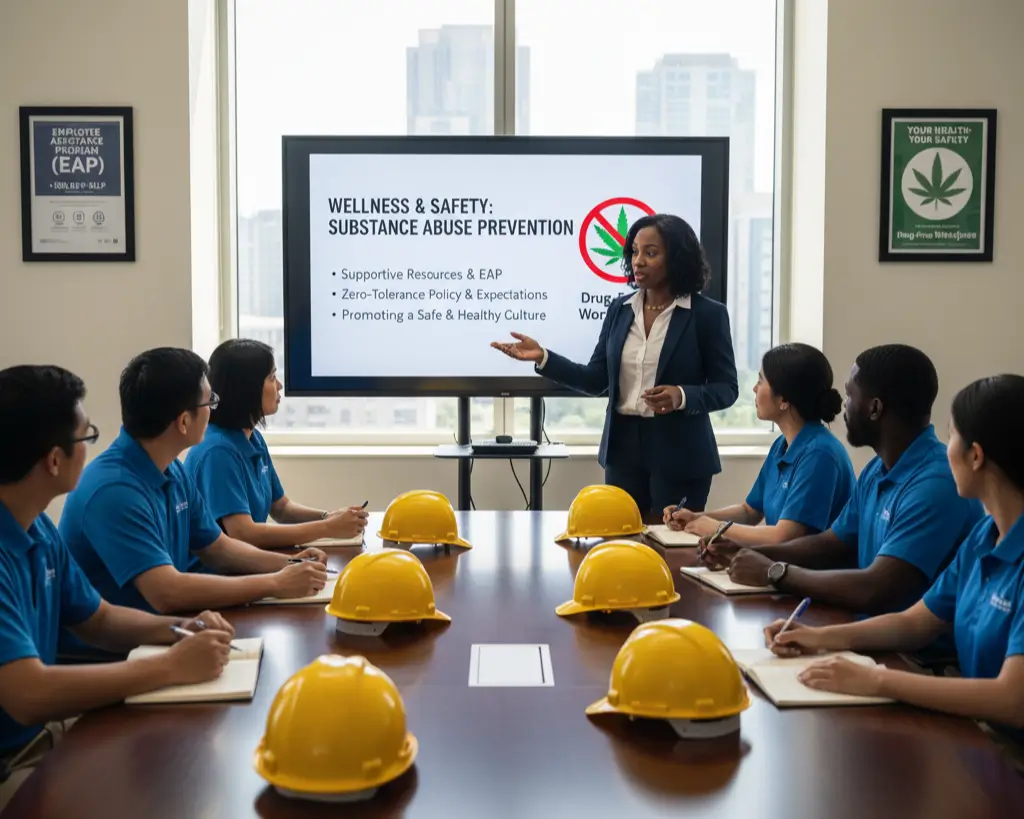
Employees attending workplace safety training during National Substance Abuse Prevention Month 2025.

Observing the National Substance Abuse Prevention Month 2025

Every October, the United States observes National Substance Abuse Prevention Month, a nationwide effort to raise awareness about the serious impact of drug and alcohol abuse. This observance highlights the importance of prevention, early education, and community action in reducing substance misuse. It serves as a reminder that addiction affects individuals, families, and workplaces alike; yet it can be prevented with the right support and awareness. Throughout the month, organizations, schools, and employers come together to promote healthier choices, encourage open dialogue, and strengthen prevention initiatives that build safer, more resilient communities. Understanding the Impact of Substance Abuse Substance abuse affects every aspect of a person’s life: physically, mentally, and socially. It can lead to chronic health issues such as liver disease, heart problems, and mental health disorders, while also increasing the risk of accidents and impaired judgment. In the workplace, substance misuse directly impacts productivity, attendance, and safety, putting both the individual and coworkers at risk. According to the National Institute on Drug Abuse (NIDA), substance use disorders cost the U.S. economy over $400 billion each year in healthcare expenses, lost productivity, and crime-related costs. Studies also show that employees with substance use problems are nearly twice as likely to have workplace injuries. Beyond statistics, the human toll is significant; strained relationships, lost opportunities, and declining quality of life. Recognizing these effects is the first step toward prevention and recovery. Substance Abuse and Workplace Safety: An EHS Perspective From an Environmental, Health, and Safety (EHS) standpoint, substance abuse poses a serious threat to maintaining a safe and compliant workplace. Employees under the influence of drugs or alcohol may experience slower reaction times, impaired judgment, and reduced coordination, which can significantly increase the likelihood of accidents and injuries. In high-risk environments, such as construction, manufacturing, transportation, or laboratories, these impairments can lead to catastrophic outcomes, endangering not only the individual but everyone on site. Substance misuse also undermines adherence to safety protocols and regulatory requirements. Workers may skip safety checks, mishandle machinery, or ignore hazard warnings, compromising EHS standards that are designed to prevent harm. From a broader perspective, this behavior can damage a company’s safety record, lower employee morale, and result in legal or financial consequences due to non-adherence. EHS programs emphasize the importance of a safe, alert, and responsible workforce. Ensuring that employees are mentally and physically fit for duty aligns directly with the goal of preventing workplace incidents and protecting environmental and human health. By integrating substance abuse prevention into EHS training and policies, organizations can strengthen their overall safety culture and promote well-being across all levels of the workforce. Prevention Through Education and Awareness Education and awareness are at the heart of preventing substance abuse in any organization. By fostering a culture of openness and understanding, employers can help employees recognize the risks of drug and alcohol misuse before problems escalate. Employee training sessions, awareness campaigns, and regular communication are powerful tools that build knowledge and encourage responsible behavior. Training should go beyond policy reminders; employees need to understand the physical, psychological, and professional consequences of substance misuse and how it affects not only their own safety but that of their colleagues. EHS professionals play a key role in this effort. Integrating substance abuse prevention discussions into safety meetings, toolbox talks, and orientation programs keeps the topic visible and relevant. When employees hear about prevention regularly alongside other safety measures, it reinforces the message that health, safety, and well-being are interconnected. Organizations should also provide strong, accessible support systems such as Employee Assistance Programs (EAPs), confidential counseling services, and well-defined drug-free workplace policies. These initiatives demonstrate a company’s commitment to employee health and offer a safe path for individuals seeking help. Equally important is maintaining a culture of empathy and confidentiality. Employees struggling with substance issues should feel supported, not stigmatized. Encouraging early, proactive intervention, through peer support, manager awareness, and open-door policies, can prevent minor issues from becoming crises. When organizations approach prevention with compassion and consistency, they not only uphold EHS standards but also strengthen trust, morale, and long-term workplace safety. Building a Supportive and Drug-Free Workplace Culture A strong, drug-free workplace culture begins with leadership commitment. When leaders consistently promote safety, wellness, and accountability, employees understand that substance abuse prevention is a shared responsibility, not just a rule. Peer support and early reporting also play a vital role. Encouraging employees to look out for one another and report concerns without fear of judgment helps address problems before they grow. Recognizing and rewarding teams that uphold EHS and wellness standards reinforces positive behavior and motivates others to follow. Finally, organizations should use feedback and data from audits, surveys, and safety reports to improve prevention programs over time. With consistent communication and compassion, companies can build a culture that values health, trust, and long-term safety for everyone. Conclusion Substance abuse prevention is deeply connected to the foundation of EHS excellence. A safe workplace depends not only on physical safeguards but also on the mental and emotional well-being of its people. By prioritizing education, awareness, and support systems, organizations can reduce risks, improve safety adherence, and foster a healthier, more reliable workforce. As National Substance Abuse Prevention Month concludes, the message shouldn’t fade with October. Continuous awareness, open communication, and compassion-driven prevention must remain part of everyday operations. When companies sustain these efforts year-round, they build a culture where safety, health, and human dignity work hand in hand, ensuring every employee can thrive both on and off the job.

Read More
Employees accessing EHSSchool OSHA training online

Everything You Need To Know About EHSSchool.com

  EHSSchool.com is dedicated to equipping workers and organizations with the knowledge they need to create safer workplaces. With a mission to deliver holistic workplace safety training, the platform combines practical insights with regulatory adherence to meet the highest industry standards. The courses are designed for accessibility, making it easier for professionals across all levels to enhance their skills. By focusing on industry-wide relevance, EHS School ensures that its training applies to diverse sectors. Ultimately, the goal is to make safety education both impactful and attainable. Partnership & Credibility At EHSSchool.com, credibility is at the core of every program we offer. Our courses are developed in partnership with UL Solutions, an OSHA-authorized course creator listed on OSHA’s official website. This collaboration guarantees that all training meets the latest federal safety standards while maintaining the highest level of accuracy. Learners can trust that their certifications are recognized and compliant with OSHA requirements. By aligning with such a reputable partner, we ensure that both workers and employers receive reliable, industry-approved safety education. Courses Offered Ehs School Offers Two Credible Online Safety Training Courses Designed For The General Industry And The Construction Industry. OSHA 10-Hour Training The OSHA 10-Hour Training is specifically designed for entry-level workers who are new to construction or general industry. This course provides a solid foundation in workplace safety by covering common hazards, workers’ rights, and employer responsibilities. It emphasizes practical safety practices such as fall prevention, proper use of equipment, and hazard communication. By completing this training, workers gain the confidence and awareness needed to identify risks on the job, protect themselves and their coworkers, and meet OSHA adherence standards. OSHA 30-Hour Training The OSHA 30-Hour Training is an advanced program intended for supervisors, managers, and employees with safety responsibilities. It goes beyond the basics, offering in-depth knowledge of workplace hazards, safety program implementation, and incident prevention strategies. The course equips participants with tools to conduct risk assessments, oversee adherence, and foster a culture of safety within their teams. With its expanded scope, the OSHA 30-hour course prepares leaders to make informed decisions that ensure long-term safety, regulatory adherence, and operational efficiency on worksites. Certification & DOL Card At EHSSchool.com, every trainee receives a Certificate of Completion instantly after finishing their course, allowing them to show proof of training right away. In addition, participants are awarded the official OSHA DOL card, issued directly by the U.S. Department of Labor. This wallet-sized card serves as long-term proof of adherence and is widely recognized by employers across the country. Both the certificate and the card come with a unique QR code that employers can scan to verify authenticity in real time. What EHSSchool.com Offers To Businesses At EHSSchool.com, we recognize that workplace safety is not just an individual responsibility but a collective effort across entire organizations. That’s why we’ve designed solutions specifically for businesses, helping them train larger teams efficiently while staying compliant with OSHA standards. From cost savings to dedicated support and streamlined training management, our business-focused services make it easier for companies to prioritize safety without disrupting daily operations. Group Training Discount EHSSchool.com offers cost savings for businesses that purchase multiple courses at once. The more courses you enroll your team in, the lower the price per trainee becomes. Professional Customer Support Businesses are paired with dedicated customer support agents who provide quick, personalized assistance, ensuring that any questions or concerns are resolved without delay. Manager Account Companies that buy multiple training programs receive access to a manager account, allowing supervisors to easily track, monitor, and manage employee training progress in one place. Why Choose EHSSchool.com? Choosing the right training provider makes all the difference in ensuring adherence and safety. EHSSchool.com stands out because of its credibility, convenience, and reliability. OSHA-Authorized and Nationwide Recognition All our courses are developed in partnership with UL Solutions, an OSHA-authorized provider listed on OSHA’s official website, ensuring nationwide credibility. Flexible, Self-Paced Learning Our training is delivered online, giving learners the flexibility to complete courses at their own pace, anytime and anywhere. Trusted Certification with QR Verification Upon completion, trainees receive certificates and official DOL cards with QR codes, allowing employers to instantly verify authenticity. Regulatory Adherence and Safety Focus EHSSchool.com helps both workers and businesses meet OSHA training requirements while promoting a culture of safety on every job site. Start Your Training Now Take the Next Step Toward Safety and Adherence Your safety training journey starts here. Explore OSHA-authorized courses on EHS School today and take the first step toward earning your official DOL card. Whether you’re an individual worker or a business training an entire team, our programs make adherence simple, accessible, and effective. Don’t wait, begin your training now and stay ahead in workplace safety.  

Read More
Worker wearing PPE gear on construction site

OSHA PPE Adherence Statistics | Are Workers Really Protected? (2025)

OSHA PPE Adherence Statistics: Are Workers Really Protected? Personal protective equipment (PPE) is OSHA’s last line of defense in safeguarding workers from serious injuries and fatalities, yet adherence remains a persistent challenge. Despite 88% of workers reporting access to PPE when needed, nearly 9 in 10 safety professionals have observed non-adherence, with 29% witnessing it repeatedly. The gap between availability and usage is striking: only 60% of construction workers consistently use PPE, while healthcare averages just a 73% adherence rate. Non-adherence has real consequences, as workplaces with poor PPE adherence report 25% more injuries annually, many of which could be prevented since proper PPE use reduces injuries and diseases by over one-third. In this blog, you can explore OSHA’s PPE adherence statistics in detail, examining overall and industry-specific data, key barriers to usage, common OSHA violations, and what employers can do to bridge the protection gap. PPE Non-Adherence Rates: The Stark Reality The data shows a concerning gap between PPE availability and actual usage in the workplace. Surveys reveal that 89% of safety professionals have observed workers ignoring PPE requirements, with nearly one-third seeing this happen on numerous occasions. Moreover, in high-risk industries like construction, only 60% of workers consistently wear PPE, despite hazards being well-documented. Healthcare shows slightly better performance, with a 73% adherence rate (median score: 22/30), yet still falls short of full protection. Interestingly, 88% of workers say they have access to PPE when needed, proving that availability is not the issue. Instead, the real barriers lie in worker attitudes, discomfort, and weak safety cultures, which continue to undermine adherence and expose employees to preventable risks. Industry-Specific Adherence Data PPE adherence challenges vary across industries, but the underlying issue remains the same: workers are not consistently protected. In construction, studies show that 40.6% of workers fail to use PPE, with 64% reporting occupational accidents within the last year, a stark reminder of the consequences. In manufacturing, non-adherence is also high, with facilities like PT. Madubaru reporting 76.7% of workers not wearing required PPE. The healthcare sector, particularly during COVID-19, revealed critical gaps, with only 14% of UK health workers having proper PPE in adequate supply, despite being on the frontlines of exposure. Even in hospitality and food service, hazards such as burns, cuts, and hygiene risks demand strict PPE use, yet adherence often lags. These differences highlight how risks may change by industry, but the core challenge of ensuring consistent PPE adoption remains universal. Why Workers Don’t Wear PPE (Barriers to Adherence) Despite clear OSHA requirements, many workers still fail to use PPE consistently, and the reasons are telling. The top barriers are often attitude- and comfort-driven rather than access-related. In fact, 69% of workers believe PPE isn’t necessary, while 56% admit they simply don’t want to wear it. Comfort is a major issue too, with 76% reporting discomfort, and 93% saying PPE worsens heat stress in hot environments. Barrier Percentage Handling emergencies 76.4% Discomfort while using PPE 75.8% Inappropriate size 74.4% Health problems while using PPE 74.1% Using PPE makes work harder 72.8% Workload and busy schedule 72.1% Long duty hours 71.1% OSHA PPE Violation Statistics (2024 Data) In 2024, PPE-related violations remained among OSHA’s most frequently cited issues, highlighting persistent adherence gaps. Fall protection once again topped the list with 6,307 violations, making it the #1 citation for the 14th year in a row. Closely linked, fall protection training ranked #7 with 2,050 violations, underscoring that workers often lack the knowledge to use PPE effectively. Eye and face protection violations also appeared in the top ten with 1,814 cases, showing how basic safeguards are still overlooked. The pattern is clear: PPE failures stem not just from access issues, but from weak training and inconsistent enforcement. The Quality & Fit Problem Beyond adherence, PPE effectiveness depends heavily on its quality and fit, and the data shows worrying gaps. Testing revealed that 90% of non-certified PPE failed basic safety standards, while only 10% of PPE from non-member suppliers met adherence requirements. In contrast, 86% of certified supplier PPE passed testing, proving the importance of sourcing from trusted providers. Fit is another major barrier: 36% of employers struggle to find PPE that fits female workers properly, while 55% report shortages in larger sizes and 52% in smaller sizes. The takeaway is simple: PPE that doesn’t fit or meet standards leaves workers just as vulnerable as having no protection at all. Impact of Non-Adherence Failing to follow PPE requirements significantly increases workplace risks, leading to more injuries and higher costs. Proper training and supervision are crucial to bridge this protection gap. Injury/Accident Data: Workplaces with low PPE adherence report 25% more injuries annually. Proper PPE use can prevent 37.6% of occupational injuries and diseases, highlighting its critical role in worker safety. Industries like construction, manufacturing, and healthcare see the most pronounced differences in injury rates when PPE is consistently used. Even minor lapses in PPE adherence can result in costly incidents, lost workdays, and long-term health consequences for employees. Training Impact: Employees with adequate PPE training are 2x as likely to comply with safety protocols. Strong supervision also boosts adherence, with 88% of workers following rules under active oversight versus 83.3% under minimal supervision. Ongoing refresher courses and hands-on practice further improve adherence. Companies investing in training consistently report fewer accidents and a higher overall workplace safety culture. Gender and Sizing Challenges & Effectiveness of Proper PPE Use Providing PPE that fits all workers correctly is a critical yet often overlooked aspect of workplace safety. Improperly sized equipment can discourage usage, undermining adherence and protection. At the same time, when PPE is properly fitted and used, it can drastically reduce injury rates and improve overall safety outcomes. Fit and Accessibility Issues A significant challenge in PPE adherence is fit and accessibility, particularly for female workers. About 36% of employers report difficulty finding PPE that fits women properly. Over half of workplaces (55%) struggle to provide larger sizes, while 52% have challenges with smaller sizes. Roughly one-third of organizations

Read More
Construction supervisor leading toolbox talk with workers

The Complete Guide to OSHA Toolbox Talks for Workplace Safety

The Complete Guide To Toolbox Talks Creating a safe workplace requires consistent communication, training, and awareness; it doesn’t happen by chance. One of the most effective ways organizations can keep safety top of mind is through OSHA toolbox talks. These short, focused safety meetings are designed to remind workers of important safety practices. It helps address job-specific hazards and encourages open dialogue about potential risks on the job site. For employers and managers, toolbox safety talks are more than a adherence checkbox. They are a proactive way to reduce accidents, build a culture of safety, and strengthen trust with employees. By investing just a few minutes at the start of a shift, organizations can set the tone for safer, more productive workdays. Here’s a guide to help you plan, align, and manage your toolbox talks regularly and efficiently. What Are Toolbox Talks? The term “toolbox talk” comes from the construction industry, where crews would gather around a toolbox at the start of the day for a quick safety briefing. Over time, the phrase stuck and spread across industries, symbolizing a practical, on-the-job safety reminder that requires little more than a few minutes and a willingness to engage. Toolbox talks are short, informal safety meetings held right at the job site. They are quick safety reminders that help workers stay alert to hazards, refresh their knowledge, and set a safe tone for the day. These meetings usually last 5–10 minutes and focus on a specific topic, such as ladder safety, protective equipment, or working in extreme weather. Toolbox safety talks are different than a regular safety meeting. These are quick, informal, and practical. They’re delivered on-site, often by a supervisor or team lead, and focus on a single safety issue. However, a safety meeting is longer and more structured, usually scheduled on a weekly or monthly basis. They may cover multiple safety concerns and include more discussion time. Why Are Toolbox Talks Important? The significance of toolbox safety talks is immense. It not only gives a quick refresher to employees and workers on the job site but also helps build a stronger bond with them. Look into the importance of the OSHA Toolbox talks below: Reinforce Safety Culture Toolbox talks help keep safety at the forefront of everyone’s mind, reminding teams that safe work practices aren’t optional; they are essential. When employees consistently hear and discuss safety topics, they start to view safety as part of their identity on the job. Reduce Accidents & Hazards Toolbox talks create a routine of identifying risks before they turn into accidents. A five-minute discussion about proper lifting techniques, ladder safety, or PPE can mean the difference between a productive shift and a costly injury. By proactively addressing hazards, organizations cut down on both minor incidents and major accidents. Keep OSHA Standards Top of Mind Toolbox talks serve as micro-reminders of OSHA standards and best practices, making adherence less about memorizing rules and more about applying them on the job. This steady reinforcement helps employers stay aligned with regulations and avoid costly violations. Encourage Worker Engagement When employees are invited to share their experiences, ask questions, and bring up concerns, they feel more engaged in the safety process. This involvement builds trust, empowers workers to take ownership of their safety, and often surfaces valuable insights from the field. Important OSHA Safety Toolbox Talk Topics It’s important to pick the topics to discuss with your team. You can either discuss safety protocols related to the ongoing operations going on at the workite or check the below-listed ones: Some topics are ideal for almost every workplace, and they should be revisited regularly: Personal Protective Equipment (PPE): The proper use, fit, and care of gear. Fall Protection: Discussing the safe ladder use, scaffolding protocols, and harness checks. Electrical Safety: Guiding about lockout/tagout, extension cord use, and avoiding live circuits. Fire Safety: The use of emergency exits, extinguisher use, and hot work precautions. Ergonomics: Guidance about safe lifting, workstation setup, and reducing repetitive strain. Housekeeping: Making sure that there are clear walkways, proper storage, and spill management. Industry-Specific Examples Different industries face unique hazards. Toolbox talks can be tailored to reflect those scenarios: Construction: You can discuss topics related to trenching and excavation safety, working at heights, and power tool handling. Manufacturing: In the manufacturing unit, safety topics related to machine guarding, conveyor belt safety, and chemical handling are important. Healthcare: In the healthcare industry, it’s important to discuss infection control, sharps safety, and patient handling. Warehousing & Logistics: You can discuss topics related to forklift safety, pallet stacking, and loading dock awareness. Hospitality & Retail: Slips, trips, and falls, customer interaction safety, and emergency procedures are some of the essential topics. Seasonal or Project-Based Safety Topics The changing weather conditions call for a quick safety talk. Employers can use toolbox talks to address timely risks, such as heat stress in summer, cold stress in winter, and storm preparedness. The safety talks can be related to demolition hazards at the start of construction, finishing risks like painting or flooring at the end. How to Give an Effective Toolbox Talk Delivering an effective toolbox talk requires preparation, clarity, and engagement. Start by organizing your key points in advance so the session stays focused and relevant. Speak clearly, using a conversational tone that makes complex safety concepts easy to understand. You should encourage participation by asking questions, sharing real-life examples, and inviting feedback from the team. It will help keep workers attentive and make the talk more relatable. Avoid technical jargon and keep the content practical, tying it directly to the tasks your team performs daily. Common Mistakes to Avoid in Toolbox Talks A toolbox talk is only effective when it’s engaging, relevant, and interactive. However, many leaders unintentionally make mistakes that reduce their impact. Avoiding these pitfalls can help ensure your talks actually strengthen safety culture instead of becoming routine checklists. Here are some of the common mistakes you can avoid: Making it too long or boring Reading word-for-word

Read More
Does OSHA Protect Whistleblowers (Yes, But…)

Does OSHA Protect Whistleblowers? (Yes, But…)

Whistleblower Protections Under OSHA: What You Need to Know Workplace safety is a fundamental right. When that safety is compromised, either by poor working conditions, illegal practices, or outright negligence, workers must feel empowered to speak up without fear. That’s where whistleblower protections come into play. The Occupational Safety and Health Administration (OSHA) provides avenues for employees to report violations, but while the system exists to protect whistleblowers, it isn’t always as straightforward or effective as it seems at first glance. So, does OSHA protect whistleblowers? Yes, it does; however, certain limitations, challenges, and conditions apply that every worker should understand. OSHA Whistleblower Protection OSHA’s whistleblower protections allow workers to report unsafe conditions without fear of retaliation. These protections apply across many industries, covering issues such as hazardous working conditions, health violations, and more. Limitations & Challenges While OSHA offers protection, some limitations exist. There can be delays in investigating complaints, and workers may face difficulties proving retaliation. Understanding these challenges is crucial to navigating the process effectively. What Is a Whistleblower? A whistleblower is someone who reports misconduct, unsafe working conditions, or legal violations by their employer. In many industries, whistleblowers are essential to uncovering safety hazards, environmental breaches, fraud, or retaliation. However, blowing the whistle can carry serious consequences if there aren’t protections in place. The Importance of Whistleblowers Whistleblowers play a vital role in maintaining safety, integrity, and fairness within workplaces and industries. Their actions often expose issues that would otherwise remain hidden, helping to prevent further harm and holding employers accountable. OSHA’s Whistleblower Protection Program OSHA upholds whistleblower protections through more than 20 federal laws, extending beyond the Occupational Safety and Health Act of 1970. These laws cover a wide range of industries, such as transportation, food safety, environmental protection, consumer products, financial reform, and healthcare. Through the Whistleblower Protection Program, OSHA provides legal safeguards for employees against retaliation. Employers are not allowed to fire, demote, harass, threaten, or discriminate in any way against workers who assert their legal rights. Examples of Protected Activities 📋 Reporting a safety hazard to OSHA ❌ Refusing to perform a task that would violate safety regulations 🔍 Participating in an OSHA inspection or investigation 📢 Reporting fraud, violations of laws, or unsafe practices internally or to a regulatory body What Constitutes Retaliation? Retaliation can take many forms, some obvious and others subtle. OSHA defines retaliation as any adverse action taken against an employee for engaging in a protected activity. These may include: ⚠️ Termination or demotion 💸 Pay cuts or denial of benefits ⏳ Reduction in work hours 📉 Denial of overtime or promotion 🚫 Unjustified discipline 💢 Intimidation or harassment 🔄 Transfer to a less desirable position Retaliation is illegal under all whistleblower protection laws enforced by OSHA. How to File a Whistleblower Complaint If an employee believes they have experienced retaliation for engaging in protected activity, they can file a complaint with OSHA. Complaints must be filed within a specific time frame, which can range from 30 to 180 days depending on the law involved. Steps to File: 📝 Choose a Method: Complaints can be filed online, in person, by fax, mail, or phone. 📋 Provide Details: Include information about the employer, what protected activity was performed, what retaliatory actions occurred, and when. ⏱️ Act quickly: Avoid delays. After the deadline passes, the opportunity to file a complaint may no longer be available. You don’t need to have all the evidence in hand when filing. OSHA investigators will conduct interviews, collect documents, and determine whether the claim has merit. What Happens After Filing a Complaint? Once a complaint is received, OSHA reviews it to determine whether it falls within its jurisdiction. If it does, they may: 🔍 Launch an investigation 📄 Request documentation from the employer 🎙️ Interview witnesses 🤝 Attempt to resolve the complaint informally If OSHA finds evidence of retaliation, they can seek remedies such as: 🔄 Reinstatement of the employee 💵 Back pay and compensation for damages 🗂️ Removal of negative references or disciplinary actions from records In some cases, OSHA may also pursue litigation. The “But…” Limitations and Real-World Challenges While the legal protections sound robust on paper, whistleblowers often face real-world obstacles when trying to assert their rights: 1. Time-Sensitive Filing Windows Many employees are unaware that complaints must be filed quickly, sometimes within 30 days. Missing this deadline can eliminate your legal recourse. 2. Burden of Proof OSHA must be able to demonstrate a causal link between the protected activity and the retaliation. Employers often claim the adverse action was due to unrelated job performance issues. 3. Under-Resourced System OSHA has limited investigators and handles thousands of complaints annually. Investigations can be delayed or dismissed due to a lack of resources or insufficient documentation. 4. Fear of Repercussions Despite legal protections, the fear of retaliation, especially in small workplaces or close-knit industries, can discourage whistleblowers from speaking up. 5. Non-Covered Employees Some workers (e.g., independent contractors) may not fall under OSHA’s whistleblower protections. Understanding your employment classification is critical. Tips for Whistleblowers: Protect Yourself If you’re thinking of blowing the whistle, take these steps to protect yourself: 📝 Document Everything: Keep a record of emails, safety complaints, meeting notes, and any retaliation. 📚 Know Your Rights: Familiarize yourself with the specific law(s) under which you’re protected. ⚖️ Seek Legal Advice: An employment or whistleblower attorney can guide you through the process. 🔒 Use Internal Channels First (If Safe): Many employers have anonymous reporting tools or safety committees. 🎯 Maintain Professionalism: Avoid emotional confrontations or unprofessional conduct that could be used against you later. Laws Enforced by OSHA’s Whistleblower Program Here are a few major laws OSHA enforces under the whistleblower program: ⚖️ Occupational Safety and Health Act (OSH Act) 💼 Sarbanes-Oxley Act (SOX) – Financial fraud 🚚 Surface Transportation Assistance Act (STAA) – Trucking safety ⚡ Energy Reorganization Act (ERA) – Nuclear safety 🛒 Consumer Product Safety Improvement Act (CPSIA) 🚆 Federal Railroad Safety Act (FRSA) 🏥 Affordable Care Act (ACA)

Read More
Top Accidents in the Manufacturing Industry Leading Causes and How to Prevent Them

Common Manufacturing Accidents: Leading Causes & How to Prevent Them

The manufacturing industry is a vital engine of the global economy, producing the goods and materials that power everyday life, from food and electronics to vehicles and construction supplies. It supports millions of jobs worldwide and contributes significantly to national GDPs, making it an essential sector for economic growth and development. However, despite its importance, manufacturing remains one of the most hazardous industries for workers. The presence of heavy machinery, high-pressure systems, toxic chemicals, and fast-paced environments creates a perfect storm for potential accidents. Each year, thousands of workers are injured or killed due to preventable incidents on the factory floor. Understanding the root causes of these accidents is the first step toward creating safer work environments. This blog aims to shed light on the most common and dangerous types of manufacturing accidents and also provide practical strategies for prevention, empowering employers and workers alike to foster a culture of safety and awareness. Manufacturing Safety by the Numbers To fully grasp the scope of risk in the manufacturing industry, it’s important to look at the statistics that highlight the frequency and cost of workplace accidents. These numbers reveal just how critical safety measures are in protecting workers and reducing injuries: The U.S. manufacturing sector reported 395 workplace fatalities in 2022, according to the Bureau of Labor Statistics (BLS). More than 400,000 nonfatal workplace injuries occurred in manufacturing the same year. Contact with objects and equipment is the leading cause of injuries in this sector. Facilities with well-implemented safety programs experience up to 40% fewer injuries than those without. OSHA estimates that U.S. employers spend nearly $1 billion per week on direct workers’ compensation costs. 7 Biggest Causes of Accidents in the Manufacturing Industry While manufacturing environments vary, the types of accidents that occur are often strikingly similar. Recognizing these recurring hazards is the first step toward building a safer workplace. Below are seven of the most common causes of manufacturing accidents—each with real-world context and prevention strategies to help reduce risks on the factory floor. 1. Machine-Related Incidents Description:Machines are essential in manufacturing—but when they’re unguarded, malfunctioning, or used improperly, they can cause severe injuries including crushing, amputations, and deep lacerations. Common Scenarios: Workers reaching into machinery without powering it down Lack of emergency stop mechanisms Unguarded moving parts Real-World Incident: In 2022, a worker at a packaging plant lost several fingers after a jammed conveyor belt was cleared without using lockout/tagout procedures. Prevention Strategies: Implement strict lockout/tagout (LOTO) protocols Install proper machine guards and emergency stops Provide hands-on training for operating and maintaining equipment 2. Slips, Trips, and Falls Description:Slippery or cluttered floors, poor lighting, and uneven surfaces can lead to falls—especially from elevated platforms, ladders, or stairs. Common Scenarios: Spilled liquids left uncleaned Tools or cables obstructing walkways Missing guardrails on platforms Prevention Strategies: Maintain good housekeeping Use anti-slip flooring and footwear Post clear warning signs Install fall protection systems where needed 3. Electrical Hazards Description:Manufacturing sites often contain complex electrical systems, and improper handling can result in shocks, burns, fires, or fatal electrocution. Common Scenarios: Exposed wires or faulty outlets Improper lockout of energized equipment during repairs Contact with overhead power lines Real-World Incident:A maintenance worker was severely burned after touching an energized panel that hadn’t been properly locked out. Prevention Strategies: Follow NFPA 70E electrical safety standards Provide personal protective equipment (PPE) like arc-flash gear Conduct regular inspections and audits Ensure all workers receive electrical safety training 4. Exposure to Hazardous Substances Description:Chemical spills, fumes, dust, and other hazardous materials can cause burns, poisoning, respiratory issues, and long-term health problems. Common Scenarios: Poor ventilation systems Inadequate PPE Improper chemical storage or labeling Prevention Strategies: Ensure adherence with Material Safety Data Sheets (MSDS) Install effective ventilation and fume extraction Train workers on hazard communication and spill response Use respiratory protection when needed 5. Repetitive Motion and Overexertion Description:Performing the same motion repeatedly or lifting heavy items without assistance can lead to musculoskeletal disorders (MSDs) and other overexertion injuries. Common Scenarios: Assembly line workers performing repetitive tasks Manual lifting without mechanical aids Awkward or sustained postures Prevention Strategies: Introduce ergonomically designed workstations Use mechanical lifting devices Encourage task rotation to reduce strain Educate workers on proper body mechanics 6. Human Error and Inadequate Training Description:Even the best equipment and procedures can’t prevent accidents caused by lack of knowledge, carelessness, or rushing through tasks. Temporary or new workers are at especially high risk. Common Scenarios: Operating machinery without training Ignoring warning labels or skipping safety steps Misjudging risks due to inexperience Real-World Incident:A temporary worker was hospitalized after using a forklift without certification or proper instruction. Prevention Strategies: Conduct regular, comprehensive safety training Provide clear instructions and supervision Foster a culture of safety where workers feel comfortable reporting hazards Use job safety analysis (JSA) for complex tasks 7. Poor Maintenance and Equipment Failure Description:Breakdowns and malfunctioning equipment due to skipped inspections or outdated systems increase the risk of sudden, unpredictable accidents. Common Scenarios: Worn-out safety guards Oil leaks causing slip hazards Emergency repairs done under pressure without safety checks Prevention Strategies: Implement preventive maintenance programs Schedule routine equipment inspections Empower employees to report faulty equipment Keep spare parts and service records up to date Conclusion Most manufacturing accidents are not just unfortunate, they’re predictable and preventable. The good news is that companies that prioritize safety by investing in training, equipment maintenance, and a strong safety culture experience fewer incidents and greater productivity. A safer workplace isn’t just about meeting adherence, it’s about protecting your most valuable asset: your workforce. Proactive safety measures reduce downtime, avoid costly fines and lawsuits, and create a healthier, more motivated team. Take a hard look at your facility today. Are these common risks present? If so, start implementing the strategies outlined above. Don’t wait for the next incident, prevention starts now.

Read More
Workplace Injuries, Illnesses, and Fatalities To Know In 2025

Workplace Injuries, Illnesses, and Fatalities To Know In 2025

Workplace safety remains a pressing concern worldwide, with millions of workers facing hazardous conditions daily. Despite advancements in safety protocols and regulations, recent data underscores the persistent challenges in ensuring safe working environments across various industries. Global Overview million workers 0 According to the International Labour Organization (ILO), nearly 3 million workers die annually due to work-related accidents and diseases, marking a significant increase from previous years. Of these fatalities, approximately 2.6 million result from occupational diseases, while 330,000 are due to workplace accidents. Additionally, around 395 million workers sustain non-fatal work-related injuries each year.  of global work-related mortality 0 % Notably, the Asia and Pacific region accounts for nearly 63% of global work-related mortality, reflecting its substantial share of the global workforce. United States: Key Statistics fatalities 0 In the United States, workplace fatalities and injuries remain a significant concern. Transportation incidents are the leading cause of workplace deaths, accounting for 2,066 fatalities or 38% of all workplace deaths in 2022. Falls, slips, and trips were responsible for 865 deaths, representing 16% of the total. Workplace violence and exposure to harmful substances each accounted for 15% of fatalities.  serious cases reported 0 Musculoskeletal disorders (MSDs) are prevalent, with 488,040 serious cases reported in private industry, constituting 27.7% of all serious work-related injuries and illnesses. Overexertion injuries alone cost employers $ 0 billion The economic impact is substantial. Overexertion injuries alone cost employers $12.49 billion in 2024, making it the most costly cause of workplace injury. Falls on the same level and falls to a lower level followed, costing $9.99 billion and $5.68 billion, respectively.  Australia: Trends and Challenges Vehicle incidents 0 In Australia, 200 workers were fatally injured at work in 2023, a slight increase from 195 in 2022. The fatality rate remains consistent at 1.4 per 100,000 workers. Vehicle incidents were the leading cause of fatalities, accounting for 42% of deaths. Falls from height saw a concerning 71% increase, rising from 17 to 29 fatalities.  increase from the previous year 0 % The work-related injury rate stands at 3.5%, significantly lower than the global average of 12.1%. However, mental health conditions are on the rise, now accounting for 10.5% of serious workers’ compensation claims, a 19.2% increase from the previous year. The median time lost from work due to mental health conditions is more than five times longer than that for other injuries. Climate Change: An Emerging Threat work-related deaths annually 0 Climate change poses an increasing risk to workers worldwide. The ILO reports that over 70% of the global workforce is exposed to climate-related hazards, including extreme heat, air pollution, and ultraviolet radiation. Air pollution alone is responsible for approximately 860,000 work-related deaths annually. Excessive heat and UV radiation contribute to nearly 38,000 additional occupational deaths each year. increase in heat-related occupational injuries 0 % In Europe and Central Asia, heat-related stress among workers has surged by nearly 20% since 2000, correlating with a 16.4% increase in heat-related occupational injuries.  Germany: Psychological Stress on the Rise all sick leave 0 % Germany has seen a steady increase in mental health-related sick leave. In 2024, psychological disorders accounted for almost 18% of all sick leave, the highest in Europe. Long working hours, job insecurity, and digital burnout are key contributors. annually in lost productivity € 0 billion According to the German Federal Institute for Occupational Safety and Health (BAuA), workplace-related stress and depression cost the German economy €33 billion annually in lost productivity and healthcare expenses. Sweden: Leading in Preventive Measures workers 0 Sweden stands out for its proactive approach. Through robust collaboration between unions, employers, and government agencies, Sweden maintains one of the lowest workplace fatality rates in Europe—0.7 deaths per 100,000 workers. The Swedish Work Environment Authority has emphasized a national focus on mental well-being, introducing initiatives to reduce burnout and regulate workloads in healthcare and education sectors. France: Slips and Falls Still Leading Injuries serious injuries 0 % In France, workplace fatalities remain relatively stable, but falls, slips, and trips account for over 25% of serious injuries—especially in construction and transportation. The INRS (National Institute for Research and Safety) has recently launched digital campaigns to promote awareness around ergonomic workplace design and injury prevention. The Economic and Human Cost in lost productivity $ 0 billion Workplace injuries and illnesses have profound economic implications. In the U.S., work-related musculoskeletal disorders alone cost employers $30 billion annually in workers’ compensation and $54 billion in lost productivity.  Beyond financial costs, the human toll is immeasurable. Each statistic represents individuals whose lives are affected—sometimes permanently—by workplace hazards. The emotional and psychological impact on workers and their families underscores the urgency of implementing effective safety measures. Conclusion Despite progress in occupational safety, the persistent rates of workplace injuries, illnesses, and fatalities highlight the need for continued vigilance and proactive measures. Employers, governments, and workers must collaborate to foster safer work environments, adapt to emerging challenges like climate change, and prioritize the well-being of the global workforce.

Read More
WorkplaceSafety Quotes

50 Workplace Safety Quotes To Know In 2025

Workplace safety is more than adherence—it’s a shared responsibility built on awareness, attitude, and action. In 2025, as technologies and challenges reshape industries which means staying grounded in core safety values is essential. Sometimes, a few powerful words are all it takes to remind us why safety matters. Quotes from experts, leaders, and everyday workers can inspire vigilance and reinforce a culture of care. These quotes serve as quick, impactful reminders that lives depend on the decisions we make every day. Whether you’re a safety supervisor or just starting your career, these quotes can offer motivation and clarity. 25 Impact Workplace Safety Quotes While safety is a complex subject that doesn’t always go well with brevity, sometimes a small quote can be more impactful than an entire training manual. Here are 25 words of wisdom that all workers should know in 2025. 0 . “Safety doesn’t happen by accident.” 0 . “It’s better to lose one minute in life… than to lose life in a minute.” 0 . “Your family wants you safe. So do we.” 0 . “Protect your hands—you need them to work.” 0 . “Working safely may get old, but so do those who practice it.” – Unknown 0 . “A spill, a slip, a hospital trip.” 0 . “Safety is not just a slogan, it’s a way of life.” 0 . “Shortcuts cut life short—work safe.” 0 . “You are your last line of defense—stay alert.” 0 . “Every accident is a notice that something is wrong with men, methods, or material—investigate and act.” – Dr. W. H. Heinrich 0 . “Think safety before you start—every task, every time.” 0 . “Safety isn’t expensive—it’s priceless.” 0 . “Don’t learn safety by accident.” 0 . “Stop and think before you act—your life may depend on it.” 0 . “Zero injuries is not a goal, it’s a mindset.” 0 . “If you think safety is boring, try an accident.” 0 . “Safety first is safety always.” – Charles M. Hayes 0 . “Take responsibility—your safety, your job, your life.” 0 . “Accidents hurt—safety doesn’t.” 0 . “Be alert today, alive tomorrow.” 0 . “Safety starts with awareness and ends with success.” 0 . “The safe way is the best way.” – Unknown 0 . “Eyes on task, mind on safety.” 0 . “Safety is a team effort—everyone plays a part.” 0 . “One unsafe act can undo a thousand safe ones.” 13 Funny Workplace Safety Course Although workplace safety is no laughing matter, there’s a place for humor in worksite safety education. These are some of the quotes that drive the point home with a bit of comedy. 0 . Hard hats: because you only get one head.” 0 . “Safety glasses: all the cool kids wear them.” 0 . “You can’t fix stupid, but you can wear PPE to protect it.” 0 . “If you think safety is a pain, try a hospital stay.” 0 . “Why learn the hard way? There’s no Wi-Fi in the ER.” 0 . “It’s not just the coffee keeping you alive—it’s safety protocols.” 0 . “Safety: the best tool in your toolbox.” 0 . “Falling down on the job is not part of the plan.” 0 . “Working without PPE is like skydiving without a parachute—bold but dumb.” 0 . “Take shortcuts in a video game, not on a job site.” 0 . “If you trip over safety rules, you will trip over at work as well.” 0 . “Helmets are important because no one has an extra skull.” 0 . “You make a better worker than a patient.”“Helmets are important because no one has an extra skull.” 12 Team-Oriented Safety Quotes Workplace safety is a shared effort. It takes teamwork to make the safety dream work. Here are 12 quotes you can deliver to your workers to reinforce their sense of common responsibility.  0 . “Safety is everyone’s responsibility, from the top floor to the shop floor.” 0 . “We don’t work alone, and we don’t stay safe alone.” 0 . “A safe team is a strong team.” 0 . “When we watch out for each other, everyone wins.” 0 . “Safety doesn’t start with rules—it starts with teamwork.” 0 . “Together, we build a culture where safety comes first.” 0 . “Great teams don’t just meet deadlines—they protect each other.” 0 . “Leadership sets the tone, but every worker sets the example.” 0 . “One person’s shortcut can become the whole team’s setback.” 0 . “Safety is the best team strategy—no exceptions.” 0 . “Every voice matters when it comes to speaking up for safety.” 0 . “We rise by lifting each other—and reminding each other to wear PPE.” Conclusion Safety may start with policies, but it lives in everyday choices—on ladders, in break rooms, at job briefings, and during routine tasks. The quotes above aren’t just catchy phrases, they are reminders of the real-world risks and responsibilities we all carry. Whether serious or humorous, they offer quick clarity in high-pressure moments. Post them where they’re visible, share them in meetings, and use them to start important conversations. Workplace can be a matter of life and death, every little efforts counts.

Read More