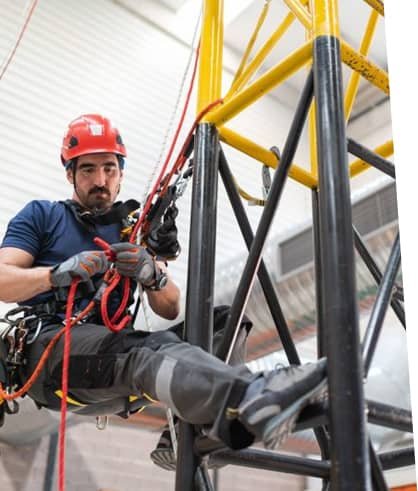
Completion of the OSHA Outreach 30-Hour Construction course is crucial for OSHA adherence in construction to prevent fines and legal issues. The training mitigates high-risk hazards like falls, electrical work, and machinery accidents. This allows employers to reduce injuries and fatalities. It decreases compensation costs for employers by reducing accidents and allows them to lower claims and insurance premiums. A secure workplace enhances productivity, job focus and increases loyalty. The OSHA 30-Hour card provides legal protection during inspections, bolstering organizations’ reputation and public relations with clients and partners. It is proof of your commitment to safety and well-being.
To qualify for the OSHA 30-Hour training, you must achieve a minimum score of 70%. You’ll have three attempts to pass both the quizzes and the final exam. If you fail all three attempts or let your course expire, you can use the Course Reset Button once to start over. However, if you reencounter the same situation, you’ll be locked out of the online training course and must repurchase it to start your training. Once you’ve completed the 30-Hour OSHA Construction training and finished the course evaluation survey, you can print the downloadable OSHA 30-Hour Construction certificate. Moreover, within 90 days, you will receive your DOL/OSHA 30-Hour Card via mail on behalf of the U.S. Department of Labor.
- Intro to Personal Safety
- OSHA work-related injury and illness recordkeeping
- Slips, Trips, and Falls
- Scaffold and Crane Safety
- Arc Flash and Electrical Safety Best Practices
- Introduction to Caught In-Between Hazards
- Personal Protective Equipment Fundamentals
- Hazard Communication
- Silica Hazards
- Hearing Conservation
- Stairway Hazards and Mobile Ladder Safety
- Confined Space Entry-Permit Required
- Rigging and Conveyor Safety
- Industrial and Office Ergonomics
- Emergency and Fire Preparedness
- Forklift Fundamentals
- Powered Industrial Truck Safety
- Asbestos and Lead Hazards Awareness
- Formaldehyde Safety
- Employee Safety Orientation
- Bloodborne Pathogens (BBP)
- Workspace Cleanliness
- Hot work
- Heat and Cold Stress
- Earthquake Preparedness